Aging is a natural process, but it can bring about significant changes in an individual’s health and wellness. Recognizing the signs of declining health in a loved one can be challenging, especially if the changes are gradual. It is essential to pay attention to both physical and mental health indicators to determine if in-home care might be needed.
Physical signs such as frequent falls, unexplained weight loss, or difficulty managing daily activities like bathing or dressing are clear indicators of declining health. These signs often manifest slowly and might be easy to dismiss as simple aging.
However, when these changes become obvious, it is crucial to consider their impact on the individual’s quality of life and independence.
In addition, cognitive decline, marked by symptoms such as memory loss, confusion, or difficulty with decision-making, can also signify the need for in home care. It’s important to have open conversations with loved ones about their experiences and any difficulties they may be facing. Seeking the advice of a healthcare professional can also provide clarity and aid in making an informed decision regarding in-home care.
Emotional Well-being and Social Isolation
Emotional well-being is as crucial as physical health, and social isolation can significantly impact a person’s mental health. Many seniors experience loneliness as their ability to engage in social activities diminishes. This isolation can lead to depression, anxiety, and a decline in overall well-being, signalling that in-home care might be beneficial.
In-home care provides companionship and support, reducing feelings of loneliness and isolation. Caregivers can engage in meaningful conversations, encourage participation in hobbies, and even facilitate visits or social interactions with friends and family. These interactions are vital for maintaining a positive mental state and ensuring that seniors continue to find joy and purpose in their daily lives.
Additionally, consistent emotional support can help detect changes in mood or behavior early. Caregivers who regularly interact with individuals are often more adept at noticing subtle shifts that might indicate deeper issues. Thus, integrating in-home care into a senior’s life can be a proactive measure to safeguard their emotional health and enhance their quality of life.
Ensuring Safety and Security at Home
The safety and security of seniors within their own homes are paramount concerns that can drive the decision to seek in-home care. As individuals age, their homes may no longer be safe environments due to trip hazards, inadequate lighting, or difficulty navigating stairs. These potential danger zones increase the risk of accidents, which can be dramatically reduced through in-home care.
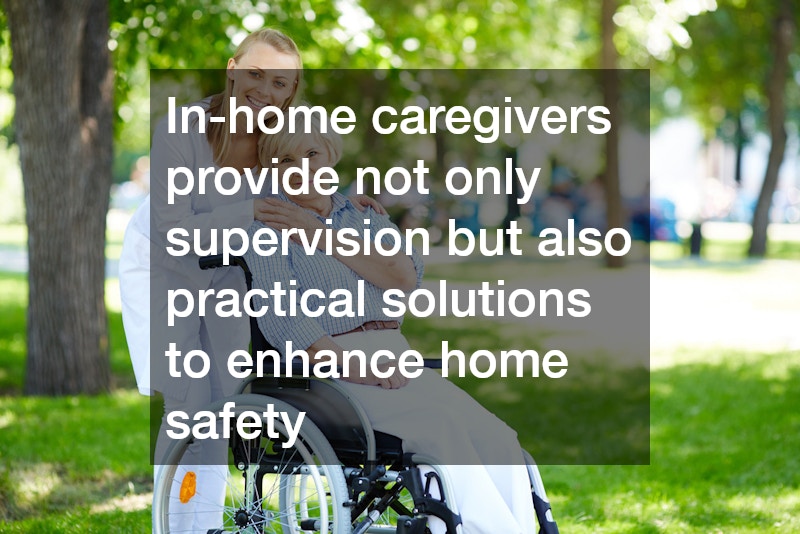
In-home caregivers provide not only supervision but also practical solutions to enhance home safety. They can assist with modifications such as installing grab bars in bathrooms, rearranging furniture to create clear pathways, or ensuring that rugs and other floor coverings are properly secured. These modifications can significantly decrease the risk of falls, thereby promoting a safer living environment.
Moreover, a caregiver’s presence can also be an effective deterrent against potential security threats, such as scams that often target the elderly. Having someone who supervises home activities and manages appointments or deliveries adds an additional layer of security. This sense of protection and peace of mind is invaluable for seniors and their families.
Assessing the Benefits of Personalized Care
One of the primary advantages of in-home care is its personalized nature. Unlike institutional settings, in-home care allows for tailored care plans that meet the specific needs of the individual. This personalized attention ensures that seniors receive the best possible care designed to preserve their independence and enhance their quality of life.
Such tailored care often includes assistance with daily activities, health management, meal preparation, and medication oversight. The ability to receive one-on-one attention often results in improved health outcomes and a higher satisfaction level with the care provided. In many cases, it provides the necessary support to allow seniors to age in place, preserving the comfort and familiarity of their homes.
Furthermore, family members also benefit from the peace of mind in knowing their loved ones are in capable and caring hands. The expertise of professional caregivers can relieve family members from the full-time responsibility of caregiving, allowing them to enjoy more quality time together. Ultimately, personalized in-home care can offer a compassionate and comprehensive solution for both seniors and their families.