Home care is a service that provides support to individuals within the comfort of their own homes. It is a flexible and comprehensive solution designed to meet the unique needs of those who require assistance due to aging, illness, or disability.
This type of care covers a wide range of services, from medical aid like administering medication to non-medical assistance like housekeeping and meal preparation. The goal of home care is to improve the quality of life for clients by offering customized care plans based on individual needs. It allows individuals to maintain independence and continue living in familiar surroundings while receiving the care they need.
Services provided under home care are typically tailored to cater to the preferences and conditions of each individual, ensuring a personalized approach. Caregivers may provide companionship, help with daily activities, or offer specialized care for conditions such as dementia or chronic illnesses. This kind of services not only supports individuals but also eases the burden on families who might struggle to provide round-the-clock care. The flexibility of home care means it can be adjusted as needs change over time, offering a dynamic solution for long-term wellness. For many, this adaptability makes home care an attractive alternative to nursing homes or assisted living facilities.
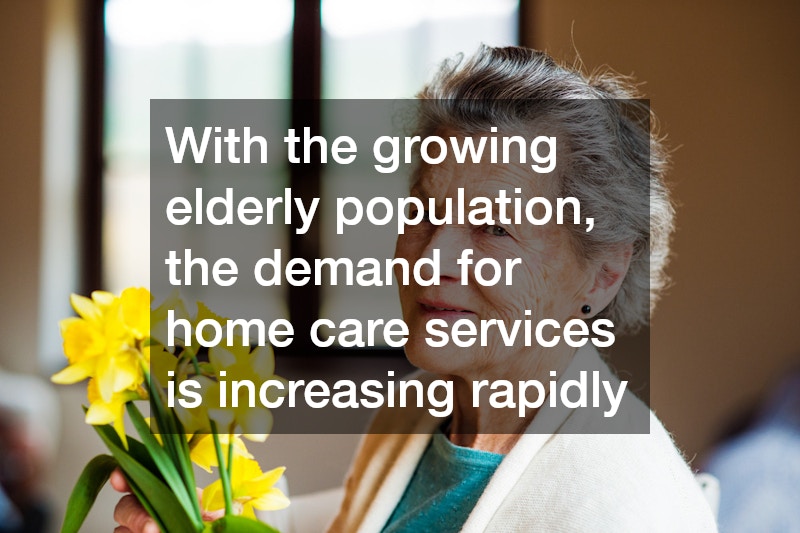
With the growing elderly population, the demand for home care services is increasing rapidly. This trend is fueled by the desire to age in place and the recognition of the benefits of receiving care in a familiar environment. Moreover, advancements in technology have enhanced the delivery of home care services, allowing remote monitoring and virtual consultations that were not possible before. As a result, home care continues to evolve, offering even more sophisticated solutions to cater to a wider range of needs. Choosing home care not only supports individual preferences but also aligns with broader health care trends that emphasize personalized and patient-centered care.
Determining the Need for Home Care
Deciding whether you or a loved one needs home care involves assessing various factors, both physical and emotional. Consideration of physical limitations is often the starting point in determining the necessity of home care. If there are difficulties in performing daily tasks such as bathing, dressing, or moving safely around the home, it may indicate that home care services are required. A professional evaluation can provide a clearer picture of the level of support needed, helping to tailor the kind of home care services that would be most beneficial. By understanding the specific challenges faced on a daily basis, families can make informed decisions about the necessity and type of home care required.
Beyond physical needs, emotional and social factors play a crucial role in determining the need for home care. Loneliness and social isolation can significantly impact mental well-being, particularly in older individuals. Home care can provide much-needed companionship, reducing feelings of loneliness and improving overall quality of life. This emotional support is as vital as physical assistance, as it contributes to a holistic approach to care. Evaluating these emotional aspects alongside physical needs helps to develop a comprehensive care plan that addresses all facets of an individual’s well-being.
Financial considerations are also a part of the decision-making process when assessing the need for home care. Understanding the cost of home care services and the available funding options is essential for making an informed choice. Some may qualify for government assistance programs or have insurance that covers certain aspects of home care. Ensuring financial feasibility without compromising on the quality of care is a key concern for many families. By exploring all financial avenues and understanding the costs involved, families can plan effectively for the long-term care of their loved ones.
The Benefits of Choosing Home Care
Home care offers a range of benefits that extend beyond the individualized care provided. One of the primary advantages of home care is the ability to remain in a familiar environment, which can have significant psychological benefits. Being in a place filled with personal memories and cherished belongings can enhance emotional well-being and provide a sense of security. This continuity of environment is especially beneficial for individuals with cognitive impairments such as dementia, where familiarity can help in maintaining orientation and reducing anxiety. By choosing home care, individuals can enjoy the comfort and familiarity of their own homes while receiving the support they need.
Another key benefit of home care is the personalized attention that clients receive. In contrast to institutional care settings, where caregivers manage multiple patients simultaneously, home care enables a one-on-one focus. This ensures that caregivers can tailor their approach and provide more attentive and responsive care. Clients and caregivers often develop strong relationships, fostering trust and enhancing the quality of care. This personal connection is instrumental in ensuring that the care provided is not only effective but also compassionate and empathetic. Personalized care plans can be continually assessed and adjusted, ensuring that they remain aligned with the individual’s changing needs.
Additionally, home care services provide vital respite for families who might otherwise be overwhelmed with caregiving responsibilities. Family members often play a crucial role in caring for loved ones, but the demands can be intense and lead to burnout. By using professional home care services, families can balance their caregiving duties with other life responsibilities, reducing stress and promoting better family dynamics. Professional caregivers can offer respite care, stepping in as needed to provide relief to family caregivers. This support not only benefits the individual in need of care but also sustains the physical and emotional health of the entire family unit.