As the global population ages, the demand for Home Care Services has grown exponentially. These services are designed to provide support to the elderly, individuals with disabilities, and those recovering from illness or surgery, allowing them to stay in the comfort of their own homes. Home care can range from medical services to assist with daily living needs like bathing, feeding, and medication management.
Understanding the various types of home care services is crucial in making an informed choice that best suits your or your loved one’s needs. With a wide array of options available, it’s essential to explore the specifics of what each service entails.
Home care services typically fall into two categories: skilled care and personal care. Skilled care involves healthcare services delivered by trained professionals such as nurses, therapists, and social workers, and includes medical management, wound care, and physical therapy. On the other hand, personal care services focus on assisting with everyday activities, ensuring individuals maintain a quality of life while enjoying independence. Both types of services aim to enhance the well-being of their recipients and alleviate the burden on family members. Therefore, recognizing the distinctions between these categories can greatly aid in determining the appropriate level of care needed.
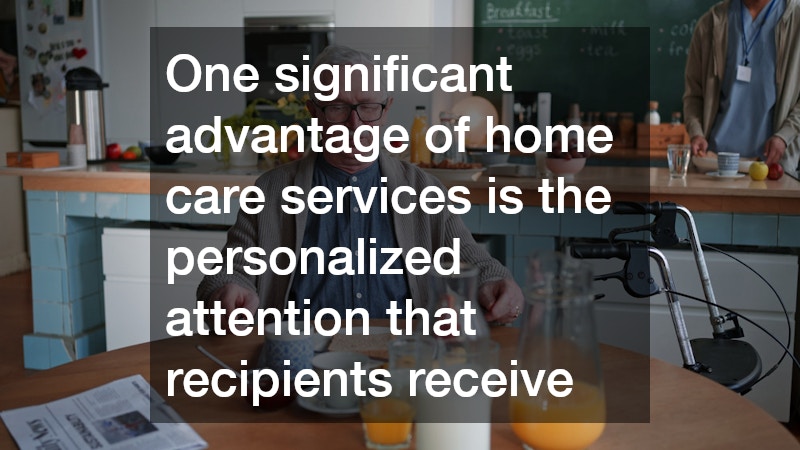
One significant advantage of home care services is the personalized attention that recipients receive. Unlike in larger care facilities, the one-on-one focus allows caregivers to tailor their support to meet specific needs, fostering a more comfortable and familiar environment for care recipients. Moreover, research indicates that individuals who receive home care often experience better emotional and physical health outcomes compared to those in institutional settings. By understanding the basics and benefits of home care services, families and individuals can better navigate the choices available. Deciding on home care is a critical step towards enhancing the quality of life for those in need.
The Benefits of Choosing Home Care Services
Home care services provide numerous benefits that can significantly improve the lives of those who use them. One of the most valued aspects of home care is the ability it gives individuals to remain in their own homes, surrounded by familiar surroundings and personal belongings. This can have a profound impact on mental and emotional well-being, reducing feelings of stress and anxiety that often accompany relocation to care facilities. By maintaining a sense of normalcy and routine, home care services promote independence and dignity, which are crucial for overall well-being. Thus, the emotional support offered by home care is one of its most compelling advantages.
Another major benefit of home care services is the flexibility they offer. Unlike traditional care settings that operate on a fixed schedule, home care can be customized to meet the individual needs and preferences of the service recipient. Whether it’s morning assistance with grooming or evening medication administration, caregivers can work around existing schedules, ensuring minimal disruption to daily life. Additionally, this service can be scaled up or down depending on the changing needs of the individual, providing essential adaptability. Therefore, home care services provide a unique level of customization that is often not available in traditional care environments.
Cost-effectiveness is yet another important benefit of home care services. While the expenses associated with home care vary depending on the level and nature of the services required, they often prove to be more economical than residential care options. Many people are unaware that some home care services may be covered under insurance plans, including Medicare, which can further alleviate financial strain. As such, understanding the potential cost savings of home care and how it contrasts with other care models can make a substantial difference in long-term planning. The financial aspect underscores the practicality and accessibility of home care services for families searching for viable care solutions.
Choosing the Right Home Care Services for Your Needs
Selecting the right home care services requires careful consideration of individual needs and circumstances. Initial steps include conducting a comprehensive assessment of the type and extent of care needed, as well as evaluating the qualifications and experience of potential care providers. This process often involves collaboration between family members, healthcare professionals, and home care agencies to develop a clear care plan tailored to the service recipient. In addition, it is crucial to communicate openly with potential caregivers to ensure they are well-informed of preferences, routines, and specific requirements. Such transparency helps in establishing a successful partnership that can significantly enhance the quality of care provided.
While selecting a home care provider, it is essential to verify the credentials and licensure of the agency or individual caregiver. Many agencies offer extensive background checks and provide verification of caregiver qualifications, ensuring peace of mind for clients. Personal recommendations and reviews can also be invaluable when choosing a caregiver, offering firsthand insights into the experience and reliability of services. Additionally, understanding the rights and responsibilities of both caregivers and care recipients further safeguards a harmonious relationship. These preparatory measures are vital in ensuring that the chosen home care services meet the highest standards of quality and trustworthiness.
Once the home care services are in place, ongoing monitoring and evaluation play key roles in maintaining the quality of care. Regularly assessing the satisfaction levels of the care recipient and their family allows for any necessary adjustments to be made to the care plan. It’s important to maintain open lines of communication with all parties involved to address any issues promptly. By utilizing these strategies, families can ensure that the care provided continually aligns with the changing needs and expectations of the individual receiving support. Ultimately, thorough evaluation and collaboration are critical components of successfully managing home care services.